

Affiliate Marketing in the DIY Gardening Niche: A Beginner’s Guide
Start with a gardening focus you can speak to, then find relevant programs, publish helpful content, and track what readers respond to. A focused topic can also help you build a clearer niche blog. First, let’s look at how gardening affiliate marketing works.
This post may contain affiliate links. If you purchase through these links, I may earn a small commission at no extra cost to you.
Key Takeaways
- Choose a focused gardening topic that matches your experience, then write for readers with specific needs, spaces, budgets, and goals.
- Recommend products that solve genuine gardening problems, and explain their benefits and limitations honestly.
- Compare affiliate program terms, including commission rates, attribution rules, payment requirements, and merchant reputation.
- Create tutorials, reviews, and comparisons around real reader questions, guided by these practical affiliate marketing tips.
- Disclose affiliate relationships near recommendations, follow the FTC’s disclosure guidance, and review performance reports to improve your content.
How Affiliate Marketing in the DIY Gardening Niche Works
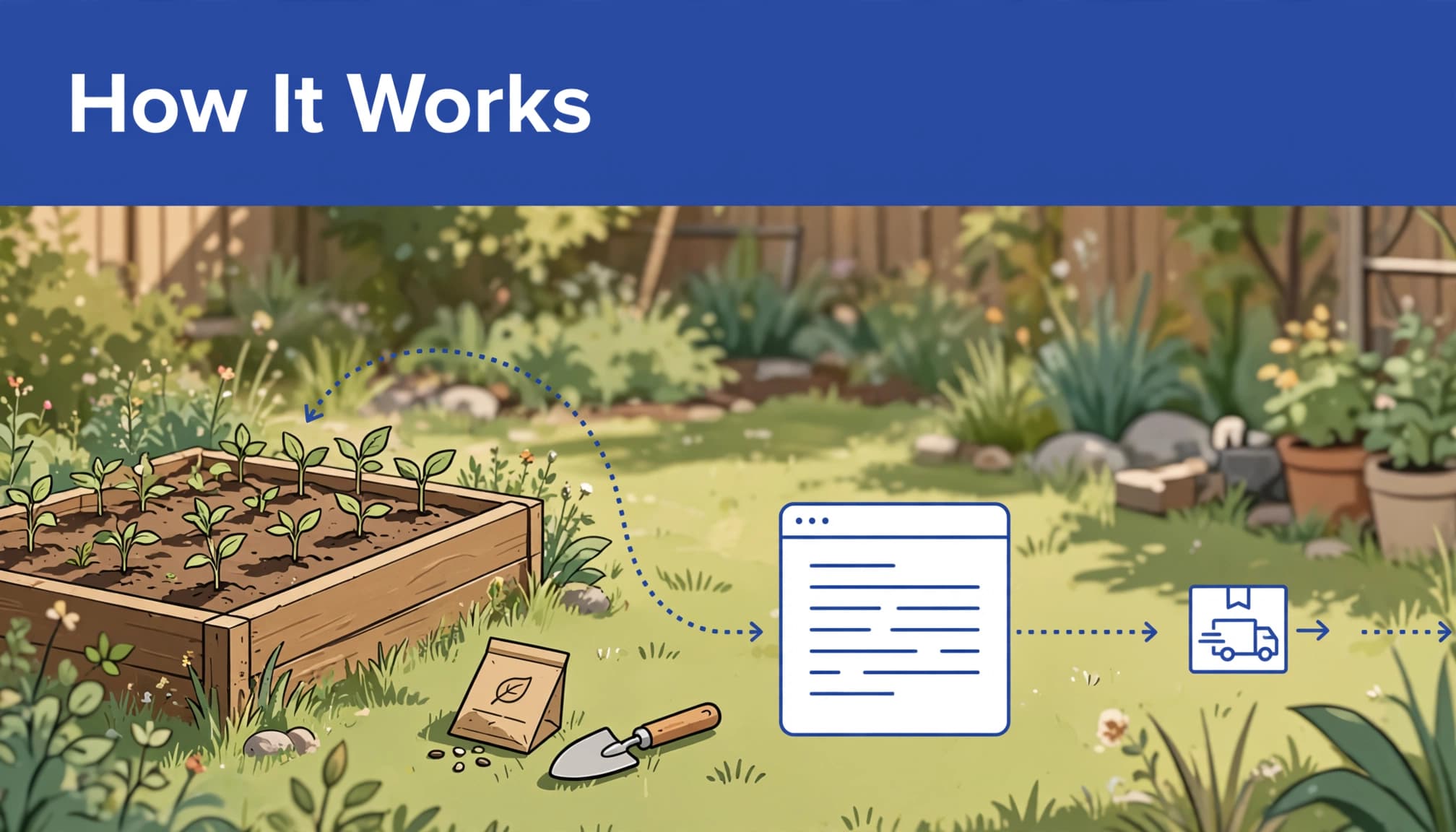
Affiliate marketing connects a gardener looking for help with a product that may solve their problem. You publish useful advice, recommend a relevant item when it fits, and share a tracked link. If someone follows that link and completes an action covered by the program, you may earn a commission.
Follow the path from problem to recommendation
For example, a beginner might search for help starting tomatoes indoors. You could explain the steps, then recommend a seed-starting tray if it genuinely suits the project. The reader uses your affiliate link to visit the merchant, and the tracking system records the referral.
The merchant or affiliate network sets the qualifying actions and other terms. A click by itself doesn’t guarantee a commission, and not every referral results in a purchase. Check each program’s rules rather than assuming its tracking or payment terms match another program.
Review results and improve the content
Affiliate reports can show which links get clicks and which lead to qualifying actions. Use those results alongside site analytics to understand whether a page attracts visitors and helps them choose. If gardeners click but don’t buy, clarify the product’s fit, compare alternatives, or answer a question the article leaves open.

Clear disclosures also help readers understand your relationship with the products you recommend. The FTC’s guidance on affiliate disclosures says disclosures should be easy to notice and understand. For a broader look at this subject, see our guide to affiliate marketing in the DIY gardening niche.
Choose a Gardening Focus That Fits Your Experience
DIY gardening is a broad topic, so a new publisher can easily end up writing scattered posts with no clear audience. Choose a smaller focus that matches what you enjoy, what you can explain honestly, and the problems gardeners are trying to solve. That gives your site a recognizable point of view and makes it easier to plan useful content.
Match products to real gardening problems
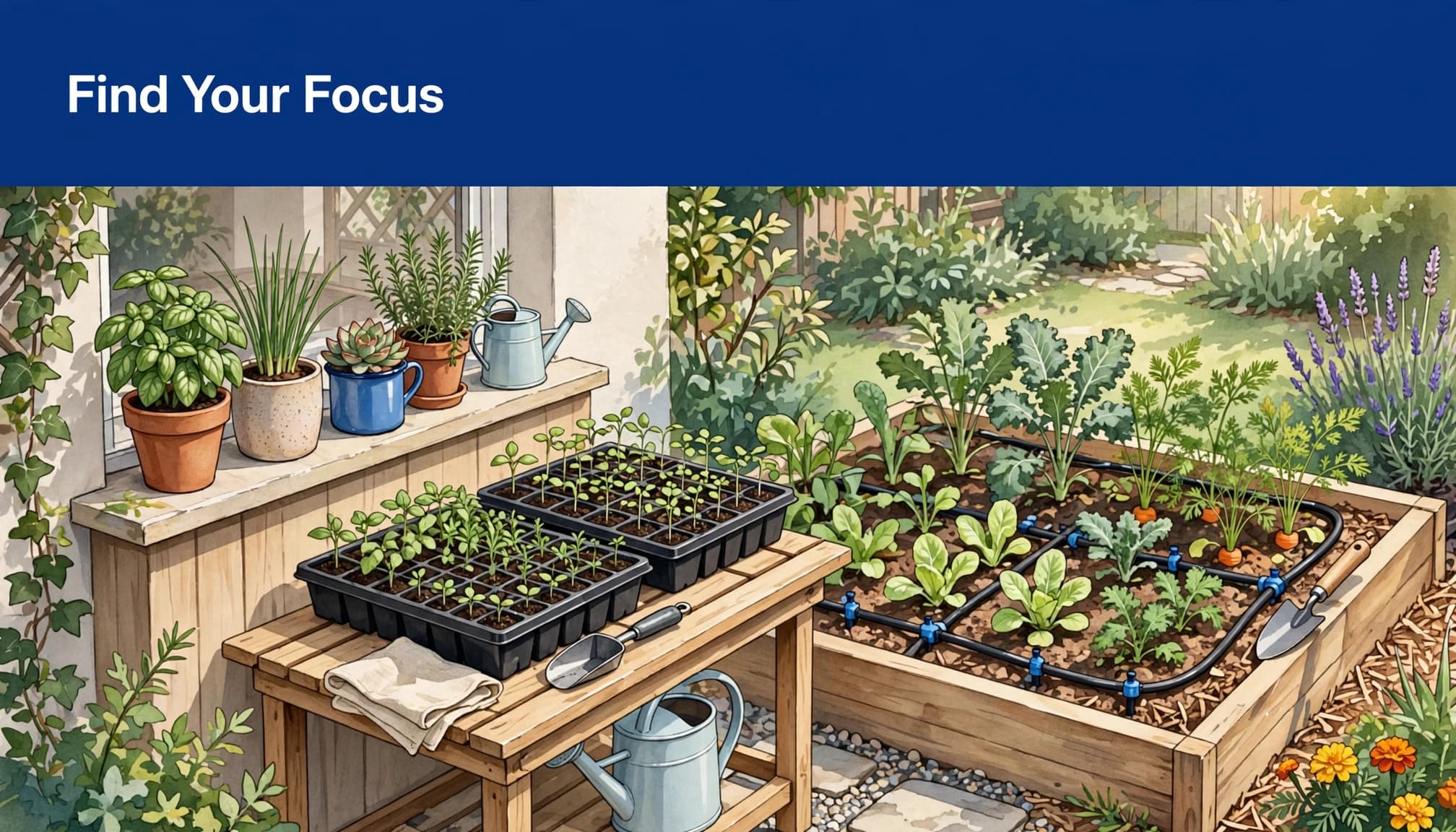
A focused topic helps you recommend products for a reason. Seed trays fit naturally into guides for starting plants indoors. Raised beds may help readers who have limited space or poor-quality ground, while irrigation tools can support gardeners who find consistent watering difficult.
Keep the recommendation tied to the reader’s task. A beginner growing herbs on a patio may need practical container advice, not a roundup of equipment for a large vegetable plot. For example, a patio container gardening guide for beginners can help you see the kinds of questions a small-space gardener may have.
Possible focus areas include container gardens for small spaces, urban or vertical gardening, seed starting, organic growing, composting, and water-wise garden care. You don’t need to cover all of them. Choose one that gives you room to share helpful experience without stretching beyond what you know.
Define the reader you want to help
Consider your reader’s skill level, available space, climate, budget, and goals. A first-time gardener growing lettuce on an apartment balcony needs different guidance than an experienced grower planning a backyard food garden.
These details shape both your voice and your content ideas. If you want to help beginners with small spaces, you could write about choosing containers, starting herbs, and watering during hot weather. Then use questions from readers, comments, and search suggestions to find the next topic.
A clear audience also makes your product choices more useful. Explain who a recommendation suits and where it may fall short. Over time, that consistent focus can help readers know what to expect from your site and why your advice is relevant.
Find Affiliate Programs and Compare Their Terms
Look for programs through brands whose products fit your gardening focus and through affiliate networks such as Amazon Associates, ClickBank, and ShareASale. A network can help you discover offers, but check each program’s official page before applying. Availability and terms can differ, and program details may change.
Choose recommendations you can stand behind
Start with the product, not the commission. Ask whether it solves a real problem for your readers, suits their space and budget, and comes from a merchant you trust. When possible, review items you’ve used firsthand. Describe what worked, what fell short, and who would benefit. If you haven’t tested a product, be clear about that and stick to claims you can support.
A high rate won’t make an unsuitable product a good recommendation. For example, a beginner growing herbs on a balcony may need a simple container, not equipment designed for a large garden. Your readers should understand why you chose a product and what its limitations are.
Read the fine print before joining
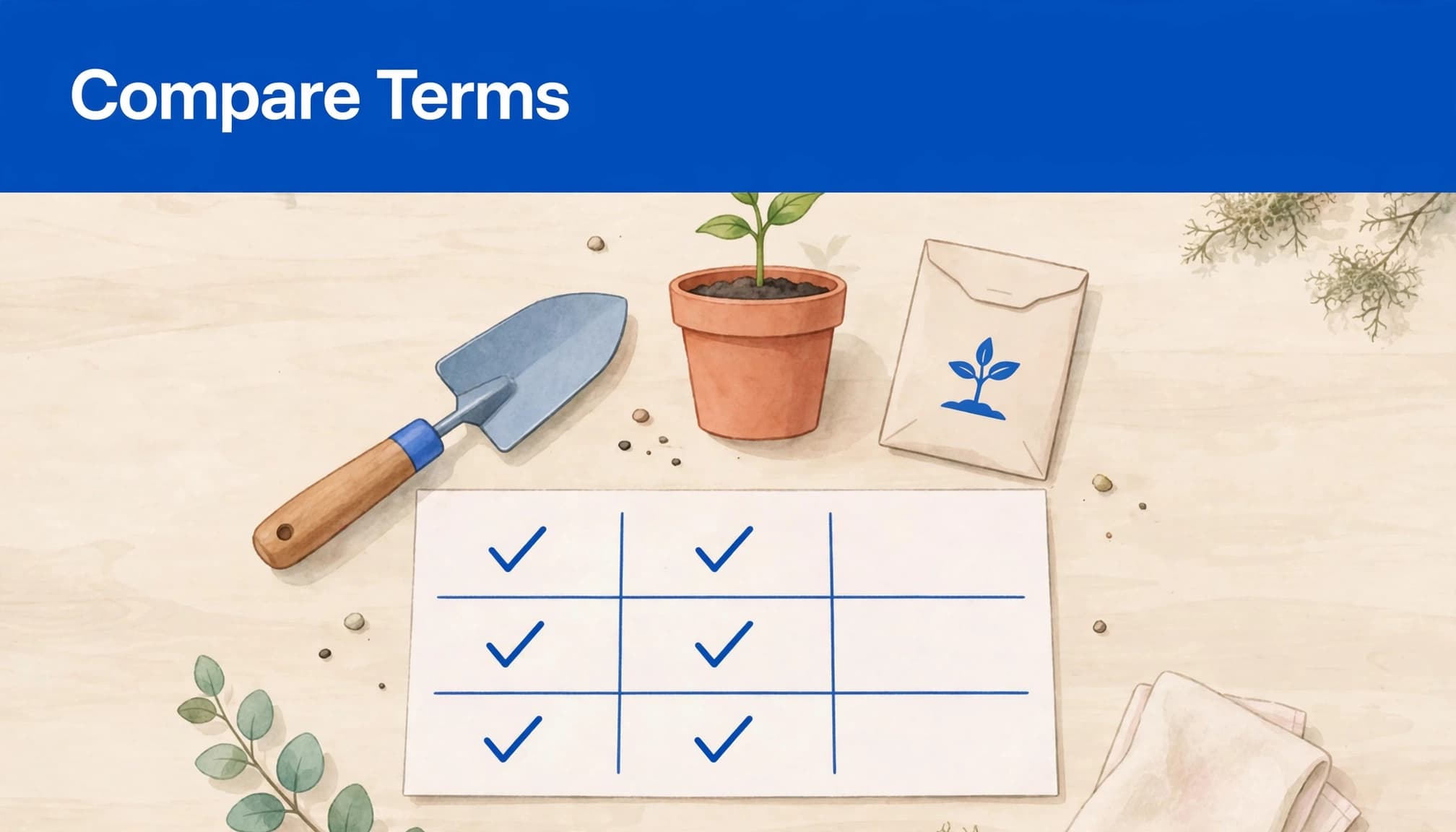
Compare the commission basis, attribution period, excluded products or purchases, payment schedule, and minimum payout. Also check eligibility requirements, promotional restrictions, and what support the program offers, such as reporting tools or affiliate resources. Merchant reputation matters too, since your recommendation reflects on your site. For more questions to ask, see our guide to evaluating affiliate program terms.
Rates can look different across categories and program types. For example, Amazon’s official commission table lists a 3% fixed rate for Lawn & Garden. That rate applies to qualifying purchases under Amazon’s program rules, so review its current terms rather than assuming every item or order qualifies.
Keep a note of the terms you accept and revisit the official program page before updating older promotions. Clear terms and a reliable merchant can matter more than a headline rate.
Create Content That Helps Gardeners Choose and Grow
Trust grows when your advice helps readers make a sound choice, whether or not they buy through your link. Start with a gardening question, explain the steps clearly, and recommend a product only when it genuinely fits the job.
Build a small content cluster around one gardening topic
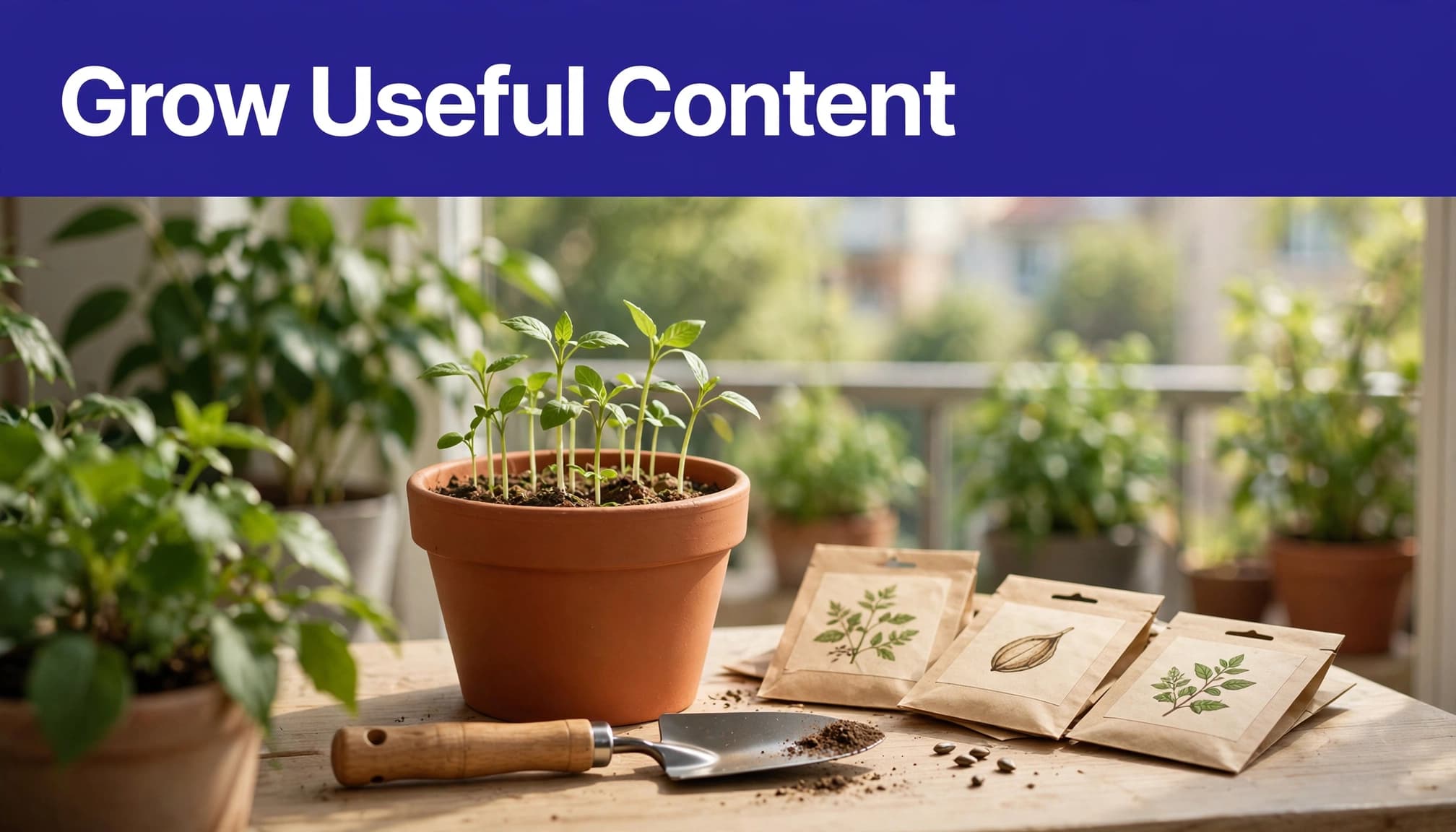
Choose a central beginner guide, such as container gardening, then support it with focused articles about pots, soil mixes, seeds, and watering. The main guide helps readers understand the whole project, while each related post answers a specific question in more detail.
Use formats that suit the question. A how-to article or garden project walkthrough can show each step; an honest review can explain what a tool does well and where it falls short. Comparisons help readers weigh options, while seasonal checklists and beginner supply guides make planning easier. Add original photos or demonstrations when they clarify setup, plant care, or product differences.
Link between related posts where it helps readers take the next step. For example, a container gardening guide can point to a separate pot comparison when someone is ready to choose. These useful connections support readers and make your site’s focus clearer.
Use search and social channels to reach new readers
Collect questions gardeners actually ask, such as “What soil should I use for patio tomatoes?” or “How often should I water seedlings?” Those questions can guide your topics, titles, and headings. Keep titles specific, and use natural phrases readers recognize. Google’s SEO Starter Guide offers practical advice for making pages easier to understand and find. For more help, see our guide to beginner SEO best practices for bloggers.
Then repurpose a detailed post into a short video, visual tutorial, or Pinterest-friendly image. Pick one or two channels that fit hands-on gardening content and your available time. Our advice on using social media for affiliate marketing can help you choose where to share. For more structured blogging and affiliate training, become a Wealthy Affiliate and learn to blog with the best.
Build Trust, Track Results, and Improve Your Approach
In affiliate marketing in the DIY gardening niche, reader trust and useful performance data work together. Clear disclosures help readers understand your recommendations, while consistent tracking shows which content deserves attention. Use both to improve the experience, not to crowd your pages with links.
Make disclosure clear wherever you recommend products
The affiliate statement near the beginning of this post gives readers broad context. However, a notice on your homepage or a disclosure far from a product recommendation may not tell someone why a specific link is there.
The FTC treats affiliate commissions as a material connection and says disclosures should be clear, easy to notice, and close to the recommendation. Use plain language before readers act, and place disclosures near relevant links in each format. For video, disclose the relationship in the video itself and near affiliate links in its description. The FTC’s guidance on affiliate disclosures explains how placement and format affect whether readers notice the disclosure.
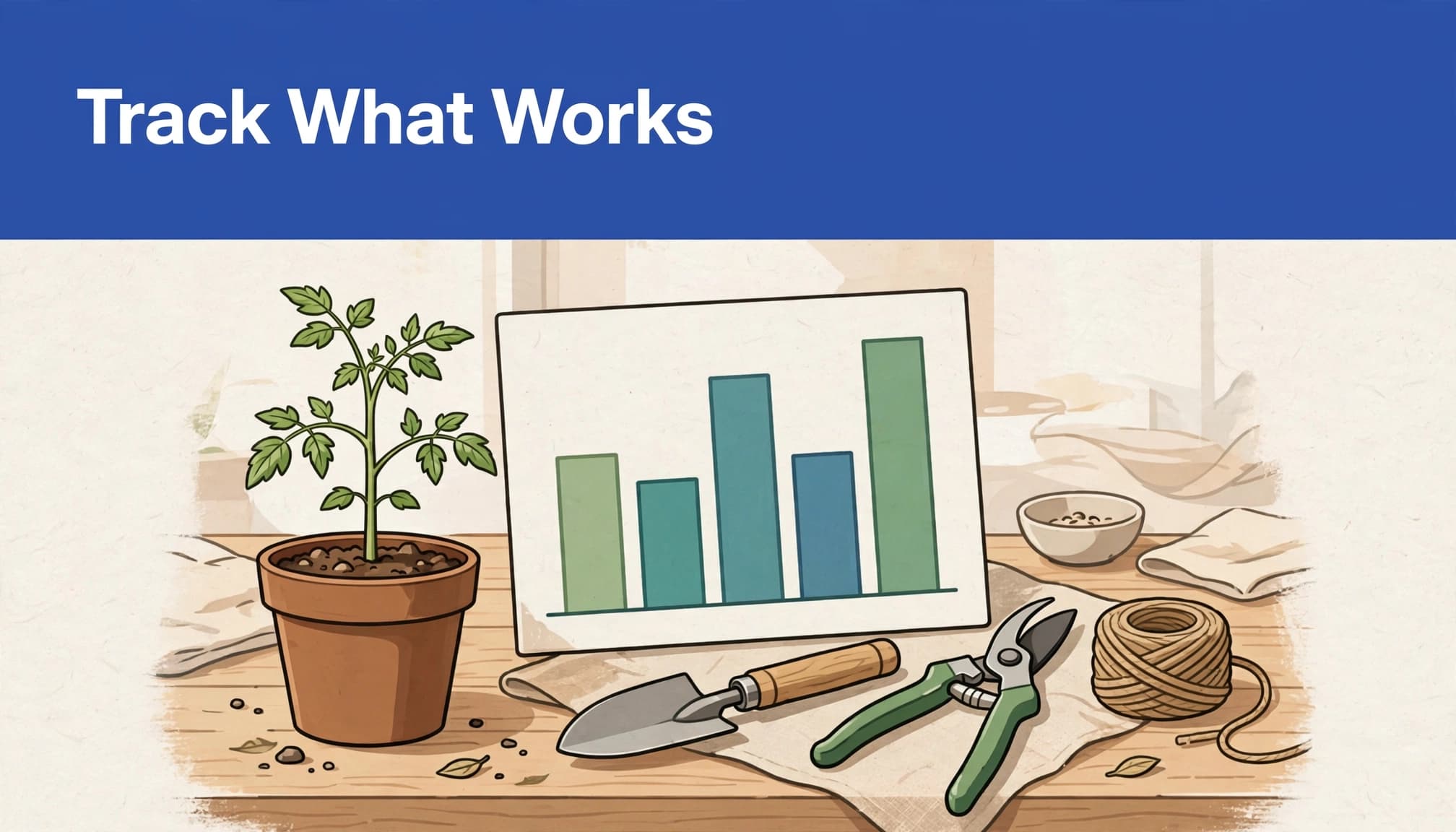
Use a simple review routine to learn what works
Set a regular time to review affiliate reports and suitable analytics. Track clicks, conversions, and revenue, then compare how topics and formats perform. A seed-starting tutorial might draw plenty of visitors, while a product comparison earns more clicks. Those differences can guide what you update or create next.
When a page gets clicks but few conversions, check whether its recommendation matches the reader’s need and whether the comparison answers practical questions. Update outdated product details and broken links, too. Make one small change at a time, then give it enough time to collect useful results. A handful of early clicks won’t tell you whether a new site or article is working.
Keep learning as you build your site
Blogging and affiliate marketing both improve with practice. Use reader questions and performance trends to shape future posts, and keep building skills in writing, SEO, and promotion. If structured training fits your learning style, become a Wealthy Affiliate, learn to blog with the best. Keep testing thoughtfully, and let reader needs guide your next improvements.
Frequently Asked Questions
A few practical questions often come up once you begin publishing and promoting gardening content. These answers cover common decisions that may not fit neatly into a how-to guide.
What should I do if an affiliate program rejects my application?
Review the program’s eligibility rules and your site’s content before applying again. Some programs expect a working site or established audience, so publish a few useful, relevant pages first. A beginner’s guide to learning affiliate marketing can help you strengthen your foundation, and structured blogging and affiliate training may help you build the skills to improve your application.
Do I need an email list to start?
No. You can begin by publishing helpful articles or videos and building an audience through search or social platforms. An email list can give you another way to share new guides, but focus first on creating content readers have a reason to revisit.
Can AI help me create gardening affiliate content?
Yes, it can help you brainstorm topics or organize a draft, but check every growing recommendation before publishing. Gardening advice can depend on climate, season, and plant variety, so confirm details with reliable sources and clearly separate your experience from information you haven’t tested. Google’s guidance on helpful, people-first content is a useful standard for keeping readers’ needs ahead of publishing volume.
How can I recommend products without making every post feel like an ad?
Start with the gardening question and give readers a complete answer, whether or not they buy anything. Mention a product only when it supports a step or solves a problem, then explain who may benefit and any limitations. That keeps the advice useful and the recommendation in proportion.
What should I do when a recommended product is no longer available?
Check the merchant or affiliate dashboard to confirm the item is unavailable, then update or remove the link. If you suggest a replacement, explain why it suits the same gardening task and avoid implying you’ve tested it unless you have. Revisiting older recommendations helps keep your content accurate.
Conclusion
Affiliate marketing in the DIY gardening niche starts with a clear audience and advice that helps people solve real growing problems. Choose a focus you can speak to honestly, then recommend products that fit your readers’ needs and explain the reasons behind each recommendation.
Clear commission disclosures and regular performance reviews help you earn trust while learning which content serves readers best. Consistency matters more than a flood of affiliate links; one thoughtful article can give you a strong foundation to improve over time.
Start with a useful guide for the gardeners you want to help, then refine it as you learn what readers respond to. If structured training would support your next steps, become a Wealthy Affiliate and learn to blog with the best.


