
How to Create Content That Converts for High-Ticket Affiliate Offers
Your analytics show visitors arriving and links being clicked, yet the commission report stays empty. With a $2,000+ offer, a click is only a visitor checking whether you are worth listening to, and the person who clicked is usually weeks from deciding. Most beginner content is written for the click, so it stops working before the buyer is ready.
This article follows one imagined buyer from her first search to her final purchase. At each stage, it shows what content she needs and which copywriting move helps her. If you want the broader definition first, what high-ticket affiliate marketing is covers it. Here the focus is how to create content that converts for high-ticket affiliate offers.
Meet the buyer: what a high ticket decision actually feels like from the other side
Picture a woman who has decided to learn a skill that could change her income, and the program that teaches it costs more than $2,000. She is not browsing. She is worried about wasting money she may have saved for a long time, and about looking foolish to a partner or friend who warned her about online courses.
Her questions are specific. Will this work for someone at her level? What happens if she falls behind? Is the person recommending it paid to say so? That last one is about you, and it is a fair question, because you are paid.
A buyer in this position reads a lot, and it takes her weeks. She opens ten tabs, watches a few videos, and reads reviews hunting for the one detail that does not fit the sales page. She returns to the same sources more than once, so the sites she keeps returning to gradually become the ones she trusts.
The writer who answers her real questions, including the uncomfortable ones, earns the sale. The writer who repeats the sales page does not. Getting this right starts with knowing her well, and the free customer avatar generator is one way to write down who she is, what she fears, and what she has already tried.
Read the search before you write: matching content to the intent behind each query
Over those weeks she types different things into the search box, and each query asks for a different kind of page. If you write one article and hope it fits all of them, it fits none.
Early on she searches for the problem: “how to start earning online” or “how to learn a skill that pays”. She does not know your offer exists. A page that opens with a product pitch loses her immediately, because she has not yet decided a paid program is the answer.
In the middle, she compares: “best programs for X” or “course A versus course B”. She now accepts that she may need to pay and wants to know which option suits her. This is where a fair comparison with clear criteria works.
Near the end, she searches for the product by name, often with words like “review”, “worth it”, “complaints” or “refund policy”. She is close to buying and is looking for a reason not to. The page that answers those searches honestly gets the final read before she decides.
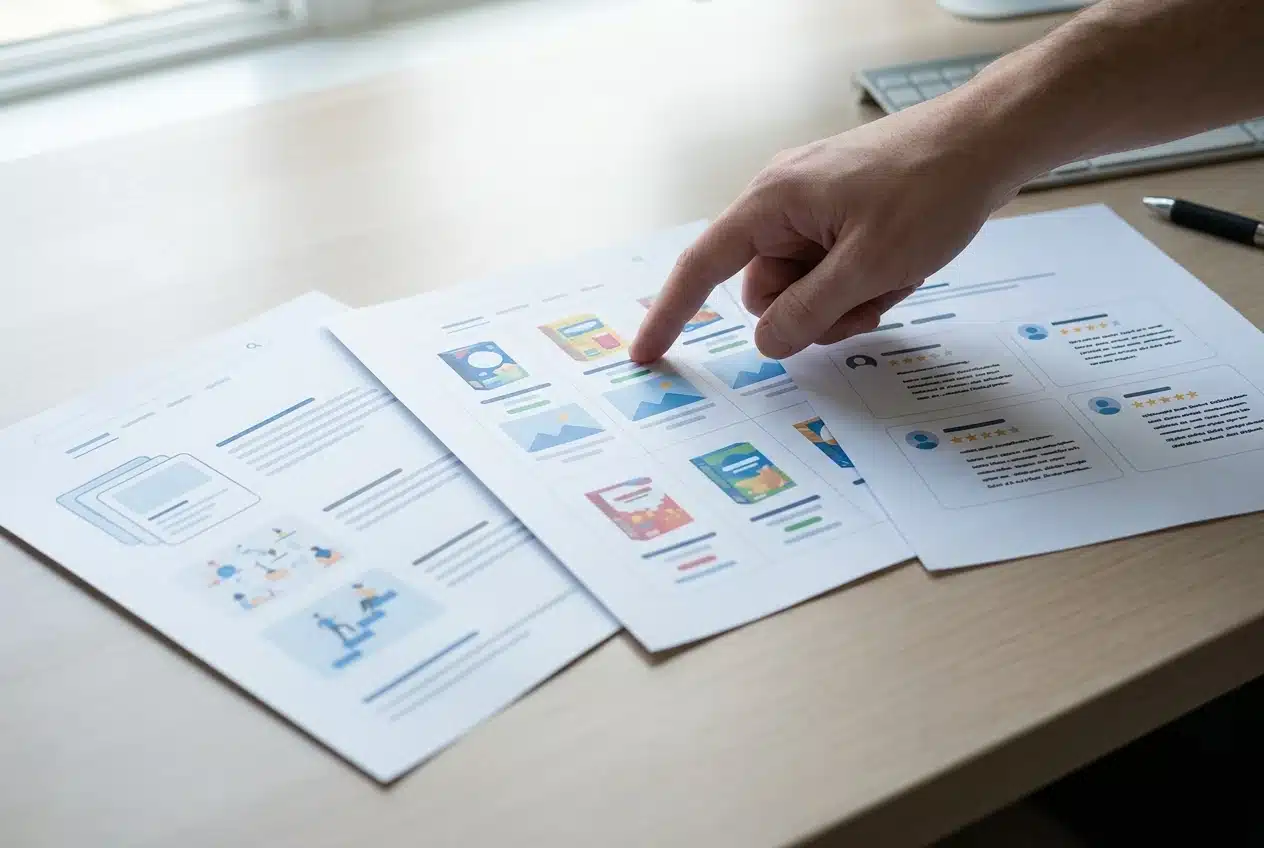
To read intent before you write, search the query yourself and look at the first page of results:
- If the results are guides and explainers, the searcher wants to understand something.
- If they are lists and comparisons, she is choosing between options.
- If they are reviews and discussion threads, she is checking a specific product.
Write the format the results already show, then do it more thoroughly and more honestly than the pages above you.
The three pieces of content a high-ticket buyer needs before they trust you
One article rarely carries a $2,000 decision. A buyer needs three kinds of pages from you, and each does a separate job.

1. The comparison that frames the choice
This page helps her see the options and the criteria for choosing between them. It names alternatives, including ones you do not promote, and says who each one suits. Including a competitor feels risky, but it is what shows her you are helping her choose rather than steering her.
2. The detailed review of your offer
This is the page she reads last and most carefully. It covers what the program includes, what it asks of the buyer in time and effort, and what it does not do. If you have used the product, say exactly what you used and what you saw. If you have not, say that your review is based on the vendor’s published material, and label which statements come from the vendor. Readers forgive a reviewer who has not bought the product. They do not forgive one who pretends to have.
3. The decision page: who should buy and who should not
This page answers “is this for me?” directly. List the kind of person who will get value, the kind who will not, and what someone should have in place before paying. Telling a segment of readers to skip the offer lowers your clicks slightly and raises the trust of everyone who stays, and trust is what a high-ticket sale depends on.
Link these three pages to each other so a reader moving through her research can follow the path without going back to a search engine.
Copywriting that earns belief: specifics, proof, honest drawbacks and the story arc that carries them
A careful buyer discounts enthusiasm. Phrases like “life-changing” and “game-changing” tell her nothing, because every seller uses them. What she believes is detail she could check.
Specifics. Replace adjectives with facts you can source: the number of modules the sales page lists, the length of the guarantee window as stated by the vendor, the format of the lessons, the kind of support offered. Confirm each figure on the vendor’s current page before you publish it, because terms change. Do not round up or guess.
Proof. Use only proof that exists. That can be your own use of the product, described plainly, or testimonials the vendor publishes, attributed to the vendor. Never present someone else’s result as your own, and never imply an outcome a typical buyer should expect unless the vendor documents it. If you have no proof yet, build the page around thorough analysis and clearly labelled sources. A well-organised, honest analysis still persuades.
Honest drawbacks. Every expensive offer has them: it demands hours each week, it assumes some prior knowledge, it costs more than a free alternative. State two or three real ones yourself. A buyer who finds the drawback on her own starts doubting everything else you wrote, while a buyer who reads it from you tends to trust the praise too.
The story arc. Facts persuade better in sequence. A reliable order is: the reader’s situation, what she has probably tried, why that fell short, what a better approach requires, then how the offer fits that requirement. The arc is built on her experience, so you do not need a personal anecdote to use it. If you want a deeper treatment, guided storytelling for bloggers explains how to lead a reader through an article this way.
Where the link goes: placing the offer so it feels like the next step, not a pitch
Link placement follows reader readiness. A link in the first paragraph asks for a decision before you have given her a reason. A link buried at the bottom of a long page may never be seen.
Place the offer link at the point where the article has just answered the question that makes the offer relevant. In a review, that is right after you describe what the program includes and who it suits. In a comparison, it is in the entry for the option you recommend. In a decision page, it follows the “who this is for” section.

Some practical guidelines:
- Write link text that says where it leads, such as “see the full curriculum on the vendor’s site”, instead of “click here” or “buy now”.
- Use one primary link per section and avoid repeating it every paragraph.
- Disclose the affiliate relationship near the top of the page, in plain words, so the reader knows before she reaches the link.
- On early-stage pages, link to your own next page (the comparison or the review) rather than to the offer. Her next step there is more reading, so give her that.
The sequence matters more than the wording of any one link. When the link appears after the reader has the information she needs, it reads as a convenience.
Handling the objections out loud: price, risk and ‘is this for me?’
Her three big objections are the same in nearly every high ticket category. Because she is thinking about them anyway, a page that ignores them reads as evasive.
Price. Do not argue that the price is small. Show what the price includes and what comparable alternatives involve, such as time spent assembling free resources yourself. Say plainly when the free route is a reasonable choice for someone with more time than money. Some readers will take that route, and the ones who do not will buy knowing why.
Risk. Report the vendor’s refund or guarantee terms exactly as published, with a note to read the current policy before paying. Describe what could go wrong: the buyer might not finish, might not apply the material, or might find the style does not suit her. Then say what she can do to reduce that risk, such as reading the free material first.
“Is this for me?” Describe the reader at three levels: complete beginner, some experience, already established. For each, say what she should expect from the offer. This is the same work as the decision page, repeated briefly inside the review so no one has to go looking for it.
A useful format is an FAQ section near the end of each review, with the questions phrased as the buyer would type them. This also helps the page match the searches she makes late in her research.
Following up with the people who didn’t buy: using email to finish what the article started
Most readers will leave without buying, and this is normal for a decision this large. A visitor who leaves is a person who needs more time, and an email list lets you stay in front of her while she decides.
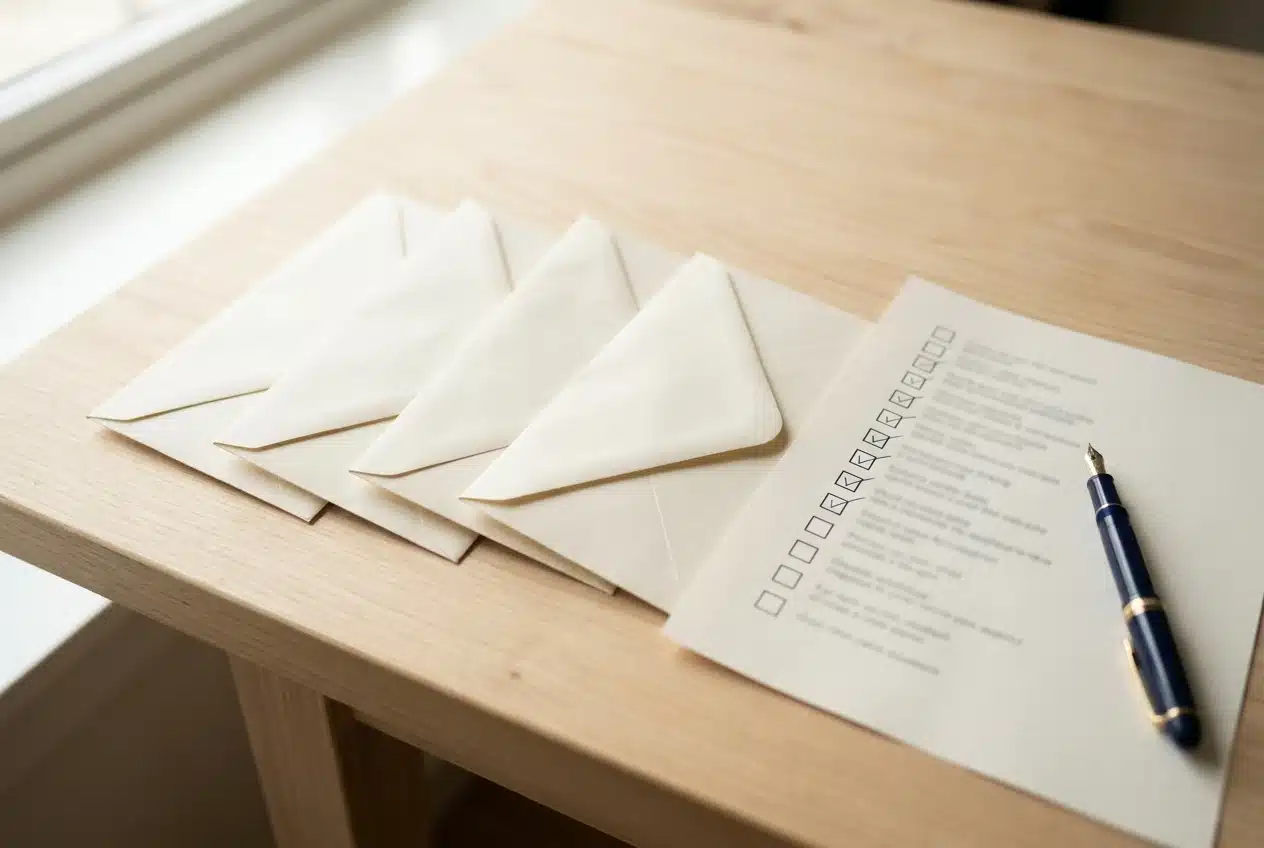
Offer something that fits her stage, such as a checklist for evaluating any program in your niche, and ask for her email address in exchange. Then send a short sequence that continues the article rather than repeating it. One order that works:
- A message delivering the checklist and restating the question she is trying to answer.
- A message addressing the most common objection, with a link to the relevant page.
- A message that compares two paths she might take and says which suits.
- A message with the review and decision page for ready readers.
Keep each email to one idea and one link. If you want a starting structure, the DIY affiliate marketing email templates give you layouts you can adapt, and the same honesty rules apply: no invented urgency and no claims you cannot source.
Check your own content: a short audit to run on your three best posts
Open your three highest traffic posts and answer these questions for each one. Write the answers down, because the gaps will be clearer on paper.
Intent. What was the searcher trying to do when she arrived: understand, compare, or check a product? Does the page’s format match that?
Opening. Does the first paragraph name her situation, or does it start with the product? If it starts with the product, rewrite it to start with her.
Specifics. Count the claims that are checkable facts and the ones that are adjectives. Replace each adjective with a fact, or delete it.
Drawbacks. Does the page state at least two honest limits of the offer? If not, add them.
Link placement. Does each link appear right after the information that makes it relevant? Does the link text say where it leads?
Next step. At the end, does the reader know what to read or do next? If the answer is nothing, add a link to the next page in her research.
Disclosure. Is the affiliate relationship stated clearly before the first link?
Most posts will fail on two or three of these, and fixing those is faster than writing a new article from scratch.
Your next step
Pick one of your existing posts and rewrite its opening and its link placement using the buyer journey in this article. Then, if you have not yet chosen your offer, read How to Choose High Ticket Affiliate Programs before you write the next piece.