

Guided Storytelling: The Simple Story Strategy That Keeps Readers Glued To Your Blog
When I started blogging, my early experience left my posts feeling like small islands. Each one sat on its own, with no clear path for the reader. People would show up, skim a bit, then vanish.
Things changed when I learned about guided storytelling, the strategic method of leading readers through a planned story. Instead of just sharing thoughts, I began guiding them with a clear beginning, middle, and end, all tied to defined goals and purpose that pointed to one main lesson or action.
This post is for new bloggers who want people to actually finish their articles, leave comments, share their work, and join their email lists. I’ll walk you through what this approach is in plain language (techniques often taught in workshops and training for effective communication), why it hooks your audience, simple story frameworks you can follow, and practical ways to use it in your next post today. By the end, you’ll have a repeatable template and a clear sense of how to turn even a “how-to” article into a guided journey.
What Is Guided Storytelling and Why Does It Hook Your Audience?
Here is the short version: This form of guided storytelling means you do not just tell any story; you lead the reader through a story on purpose. You decide where they start, how the tension grows, and where they end up.
Random storytelling jumps around. It might be funny or interesting, but the reader often thinks, “Where is this going?” This approach makes sure they never have to ask that. They always know why each part of the story matters.
Our brains love stories because they tap into our shared human experience. From childhood, we learn through “once upon a time,” not through bullet points. Modern blogging and marketing use that same instinct with storytelling. A good story keeps people on the page longer, helps them remember your lesson by simplifying complex ideas, and creates emotional resonance that makes them feel like they know you.
Writers at Smart Blogger talk about this in their Blogger’s guide to telling stories that win hearts and minds, showing how strong stories often turn casual readers into loyal fans. When people stay longer, trust you more, and feel something, they are much more likely to click, comment, share, or subscribe.
A simple definition of guided storytelling for new bloggers
Here is the friendly definition I use:
Guided storytelling is when you treat your blog post like a short movie starring your reader, and you act as the guide.
For example, you open with a relatable problem from personal stories: “You hit publish and hear crickets.” Then you walk through the struggle: what they tried, what failed, how it felt. Finally, you lead them to a clear lesson or action step, like using a simple content plan or a new strategy.
The reader is the hero. You are the helpful guide on the path.
How guided storytelling boosts attention, emotion, and trust
A guided story structure does three powerful things at once:
- Attention: A clear beginning, middle, and end keep people curious about what happens next. They want to see how the story turns out.
- Emotion: When readers see their own fears and hopes in your story, they feel understood. That emotional resonance sticks.
- Trust: When you guide them from problem to result, you show that you “get it” and can help. This builds trust and connection with others.
Groups that study story and attention, like Narrative Arts, in their guided storytelling tips for better engagement, point out how important strong hooks and clear arcs are for keeping eyes and minds on the message.
For bloggers, that translates into real numbers: deeper scroll depth, more comments like “This is exactly how I feel,” more email signups, and more shares from people who say, “You need to read this.”

Core Story Frameworks You Can Use for Guided Storytelling in Your Blog
When I first tried to “write stories,” I froze. I had no idea where to start. What helped was using simple story frameworks, like rails-on-a-track, and embracing the mindset of a guided storytelling expert. You can still write in your own voice; you just need to follow a proven path to effective storytelling.
Here are three easy frameworks that work well for crafting stories in blog posts.
Problem, Agitation, Solution: A plug-and-play story arc
Problem, Agitation, Solution (PAS) is one of the best plug-and-play arcs for new bloggers.
- Problem: Show the main struggle your reader faces.
- Agitation: Turn up the volume on that struggle so they feel the stakes.
- Solution: Share the path forward and what life looks like after.
Example: You write for new bloggers who feel stuck getting traffic.
- Problem: “You check your stats every day, and nothing moves.”
- Agitation: “You start to wonder if you are wasting your time. Friends ask how your blog is going, and you change the subject.”
- Solution: You show a focused 30-day plan, share a small success story, and invite them to try the same steps.
To sketch your own PAS story for a post, try these prompts:
- What painful problem is my reader living with right now?
- What happens if nothing changes in 3 to 6 months?
- How does my solution change their day-to-day life?
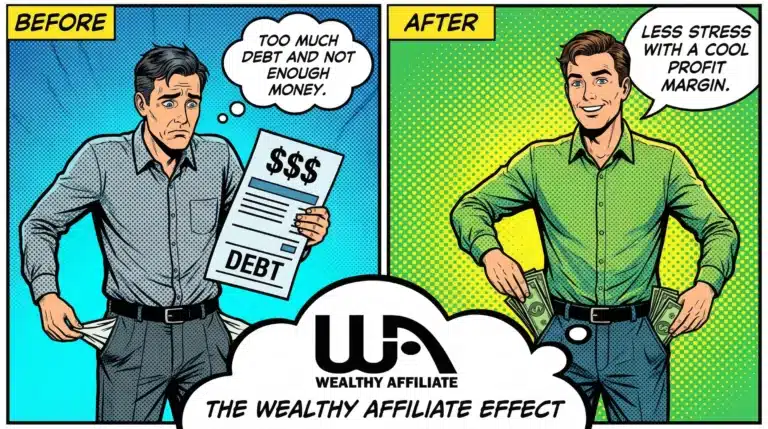
The transformation journey: Before, turning point, and after
Another simple arc is the transformation journey, a path of healing and transformation:
- Before: The struggle or “old way.”
- Turning point: A new idea, tool, or strategy.
- After: The result and the lesson.
Imagine a post about moving from random posting to using a content plan.
Before: You shared your personal story of how you posted whenever you felt inspired, then burned out, then disappeared for weeks.
Turning point: You show the moment you tried a simple monthly plan, maybe after reading one helpful guide or watching a tutorial.
After: You describe how your posts became more consistent, your traffic became steady, and writing felt lighter.
To map your own transformation story, ask:
- What did life look like before this change?
- What small moment or insight started the shift?
- What is different now in clear, concrete terms?
Mini hero’s journey: Making your reader the main character
You do not need a full movie script to use the Hero’s Journey. A mini version works great for tutorials, case studies, and personal posts.
Think of it like this:
- Call to adventure: Your reader wants a change.
- Challenge: They run into conflict, obstacles, and doubts.
- Guide: You appear with tools, tips, or a new way to see things.
- Result: You show the win they could have.
- Call to action: You invite them to take one clear step.
Writers and marketers often mix PAS with Hero’s Journey ideas, like in this piece on three guided storytelling frameworks to transform content writing. The key for bloggers is to remember: your reader is the hero, you are the guide with the map, and the post is the path to your theme or message.
Practical Ways to Use Guided Storytelling to Grow Blog Engagement
Story frameworks are useful, but they only help if you use them inside real posts. Once I started planning my articles as stories, not just lists of tips, I saw more comments and longer sessions in my analytics. These changes boosted my audience engagement through effective guided storytelling techniques.
Here is how you can bring guided storytelling into your very next article, without adding a ton of time.

Plan your story path before you write a single word
Before you open your editor, start with quick brainstorming to sketch a fast story outline. To know your audience, ask yourself:
- Who is this story really about?
- What problem are they facing at the start?
- What turning point will you show them?
- What outcome or “after” will you paint?
I like to jot this as a quick list at the top of my doc. Only after the path feels clear do I fill in the scenes, tips, and examples. If you want help drafting faster so you can spend more energy on the story itself, this RightBlogger AI tool review for bloggers shows one way to speed up outlines and first drafts while you still stay in control of the story arc.
Use vivid moments and simple structure to keep readers hooked
You do not need poetic writing to hold attention. You just need a few vivid moments and effective delivery and presentation through a clear structure.
Pick one scene from your reader’s life and describe it in simple detail: the open laptop at midnight, the cold coffee, the Google Analytics tab with flat lines. A single real-feeling moment pulls readers in far more than five abstract sentences by creating a strong sense of presence.
Then break your post into short sections with helpful subheadings that match the journey, like “Before I changed my posting schedule” or “The turning point that stopped my burnout.” Short paragraphs, clear transitions, and gentle reminders of why this story matters to them keep the whole journey easy to follow. Practice this approach to improve your storytelling skills.
End every story with a clear next step for your audience
Every story should lead somewhere to inspire action. When you reach the “after” stage, do three quick things:
- Summarize the main lesson.
- Paint one more snapshot of the better “after.”
- Invite a single action.
For new bloggers, strong calls to action could be:
- “Tell me your biggest struggle with consistency in the comments.”
- “Try this three-step outline on your next post and email me your result.”
- “Join my list, and I’ll send you my weekly story prompts.”
The story warms the reader up. The call to action gives that warmth somewhere to go.
Simple Guided Storytelling Template You Can Reuse for Any Blog Post
To make guided storytelling even easier, here is a simple template you can copy and reuse. This flexible outline follows a proven plot structure, so think of it as a guide, not a cage.
- Hook: Open with a sharp moment, question, or line that drops the reader into a scene or problem.
- Set-up: Explain who the story is about and what they want.
- Problem: Show the struggle in clear, relatable detail.
- Struggle: Share attempts, failures, doubts, and what it felt like.
- Turning point: Introduce the idea, tool, or shift that changes things.
- Solution: Walk through the new approach step by step.
- Result: Describe the “after,” using visual storytelling with numbers or vivid details when possible.
- Call to action: Invite one clear next step.
Example: A post about growing an email list.
- Hook: “I spent 6 months blogging before I got my first 50 email subscribers.”
- Setup: You explain your niche and the theme or message of what you hope email will do for your blog.
- Problem: You describe the slow signups, the lonely opt-in form, and how it felt.
- Struggle: You share a few tactics you tried that did not work.
- Turning point: You talk about learning to tell one clear story in your opt-in offer instead of listing features.
- Solution: You break down the new opt-in page, its story, and the simple guided storytelling inside it. You might link to brand examples, like those discussed in these brand storytelling strategies, to boost audience engagement.
- Result: You share how signups jumped in 30 days and what changed in your mindset.
- Call to action: You invite readers to rewrite their own opt-in copy using the same steps and share it with you or your audience.
The smooth delivery and presentation of these steps keep readers hooked. Once you use this guided storytelling template a few times, you will start to feel where you can bend it or shorten parts, while still leading readers on a clear path.
The Guided Storytelling Journey for Bloggers Ends Here. What have we learned?
When you strip it down, guided storytelling is simply this: you lead readers through a story on purpose, from a clear starting problem to a meaningful “after.” For new bloggers, that shift from random posts to guided storytelling journeys can change how readers feel about your work and how they respond to it.
The key ideas are simple: treat your reader as the hero, use easy storytelling frameworks like PAS or a basic transformation journey, and plan your story path before you start writing. Add a few vivid moments, keep your structure clear, and finish every post with a single, honest call to action. This natural storytelling approach fosters a deeper connection with others.
Guided storytelling builds communication skills, not a gift. The more you practice, the more natural it feels, and the more your posts sound like your authentic voice talking to one real person. Resources like workshops and training can help refine this further. As a soft next step, try some reflection: look at your last blog post and ask, “How could I turn this into a guided story with a beginning, middle, and end?” Then practice using the template above for your very next article and see how your readers respond.
I have been aware of this for quite a while. I seem to be cranking a lot content out with AI these days but I try not to pass up on story telling posts. My travel blog its pretty easy for because I’m only sharing my experience. I do dream study blogs as well where I write about my dreams and what I think they could mean. I think the best thing is that when your writing like this it just comes to you naturally and I’m sure people can tell if they are reading about your account or not. I would like to do it with MMO content like this but I tried before and my trouble was I only had my first few months where I made commissions – I will probably save it for when I get a working model to share my story about but I know you got the time on page (CTR) or whatever it is. More you can keep people reading the better.
Time on page is the opposite of Bounce and shows audience engagement, andything over a minute is a good sign and over 3 minutes means a lot of people are engaging your whole page of content. CTR is Click Through Rate which is when a link on the page is clicked. Thanks for a great comment and best of luck with your blogs.
Fascinating read. I tend to agree with storytelling. It keeps readers wanting more as they scroll, and the information is presented in a unique way and perspective. Obvious personal experience shines through with storytelling.
Excellent article,
Michael
I love reading a personal touch and live examples. It just plain makes for a more exciting read than a drab textbook with no life in it.
Thank you for this article! So true the power of an engaging story with a hero that the reader can identify with. I agree that a simple story is so much more powerful than reams of information, for igniting light bulbs and capturing the imagination. Definitely more engaging for readers. I liked the structure of the article and the actionable content.
Thanks for a kind and thought filled comment. Not every story needs a hero but a problem and a clear solution will achieve that same feeling.